About CONCORD
CONCORD is the European Confederation of NGOs working on sustainable development and international cooperation.
We envision a world where people live free of poverty and exploitation. This must be achieved by a citizen-led transformative agenda based on social justice and gender equality and respecting diversity and the limits of our planetary capacity.
We are the main interlocutor with the EU institutions on sustainable development policy and international cooperation.
We work together to ensure that European policies promote sustainable economic, social and human development, addressing the causes of poverty, based on human rights, gender equality, justice and democracy.
Our impact
NGOs represented in our network
people listened to our "Talking Development" podcasts
people attended our events and meetings last year
downloads of reports and publications last year
Our priorities
We work on three projects, tracking developments in these areas, advocating for change and working in a cross-cutting manner between them.

Financing and funding for sustainable development

equality and leaving no one behind

Civil Society power
Other topics

Policy coherence for sustainable development

Global Citizenship Education

Gender Equality

Regional Alliances
AidWatch 2025 – Ending short-sightedness, restoring ODA’s purpose
Since the publication of the first AidWatch report 20 years ago, Official Development Assistance (ODA) has significantly contributed to improving global health, poverty reduction, education, governance and climate resilience in partner countries and enjoys generally broad support among EU citizens.
However, while ODA has been long considered resilient in responding to crises, human-generated problems (economic, social, climate-related) and political decisions continue to weaken the global multilateral system and the global cooperation landscape. After 5 years of consecutive growth in ODA volumes, countries are increasingly prioritising national interests while cutting their ODA budgets.
The current tremendous challenges are a chance to reform ODA reporting, democratise its governance and improve its effectiveness. We are convinced that the role of ODA and particularly of EU ODA should and will remain key in the future. Read the AidWatch 2025 report and discover our 10 recommendations for EU Member States and EU Institutions to restore ODA’s purpose!
Latest resources
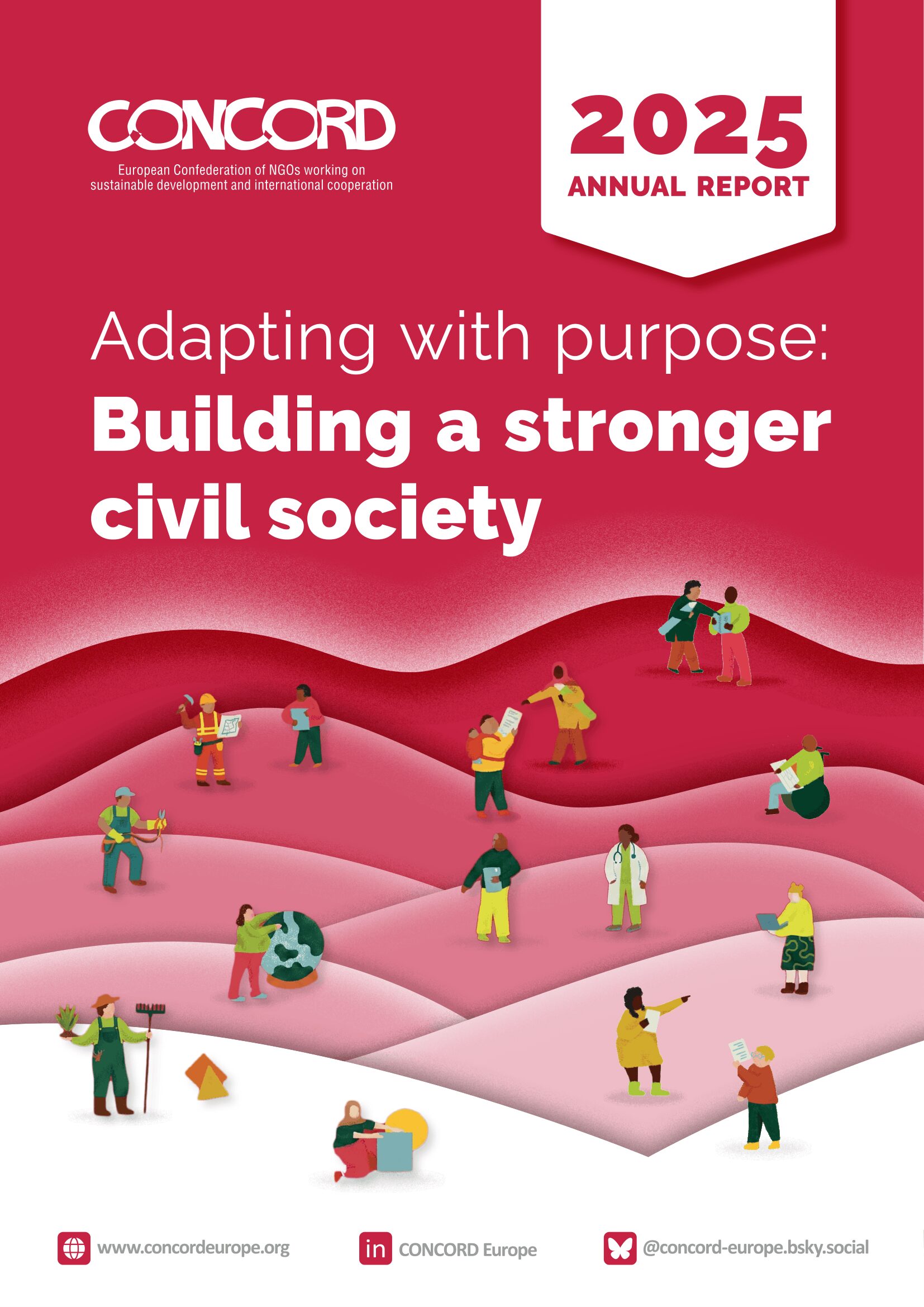
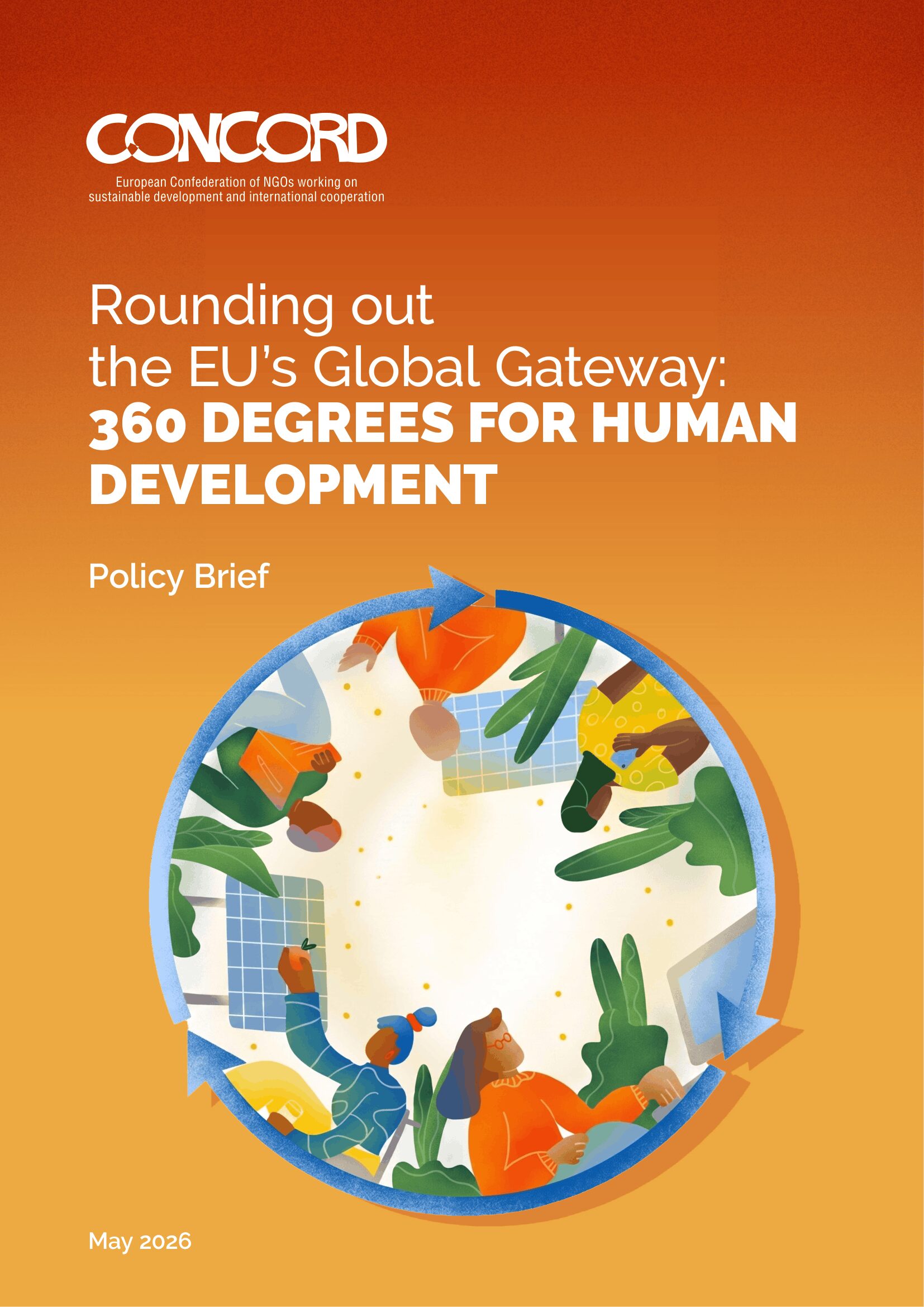


Analysis of the European Commission’s proposal for the EU’s next Multiannual Financial Framework and the Global Europe Instrument
Development cooperation, EU budget / MFF, EU external action, EU institutions, Financing for development

Stepping up EU international cooperation through the next Multiannual Financial Framework




Latest news
CONCORD members launching EUPP6: people-centred international cooperation must be an EU priority
The European Union must ensure development cooperation, poverty alleviation and human dignity are at the centre of EU external action, as three CONCORD members take on the latest EU Presidency Project (EUPP6).The project brings together CONCORD's member organisations...
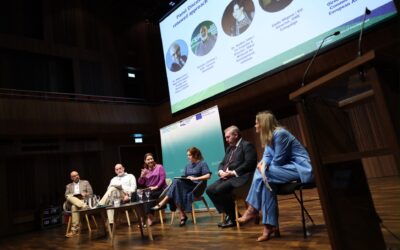
EUPP6 rotation starts: Dóchas’ Presidency Programme and recommendations to the Irish Presidency
As Cyprus hands over the Presidency of the Council of the European Union to Ireland on 1 July, the EU Presidency Project (EUPP) shifts from cycle 5 to 6. In light of this, our Irish member Dóchas shares its Presidency Programme and its key recommendations for the...
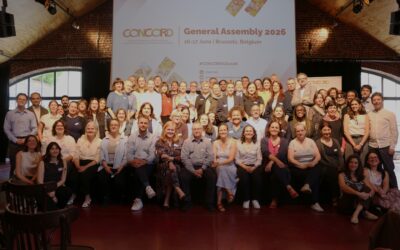
Towards a New Vision of International Cooperation: CONCORD’s General Assembly 2026
On 16-17 June 2026, CONCORD Delegates gathered for our General Assembly. Over two days, we reflected on the profound changes shaping the sector, explored what they mean for civil society, and began to define a renewed vision for international cooperation.